
The Reality of Venture Support
True Partnership in Uncharted Territory: The Challenge Behind the World’s First Space Debris Removal and the Journey to the IPO
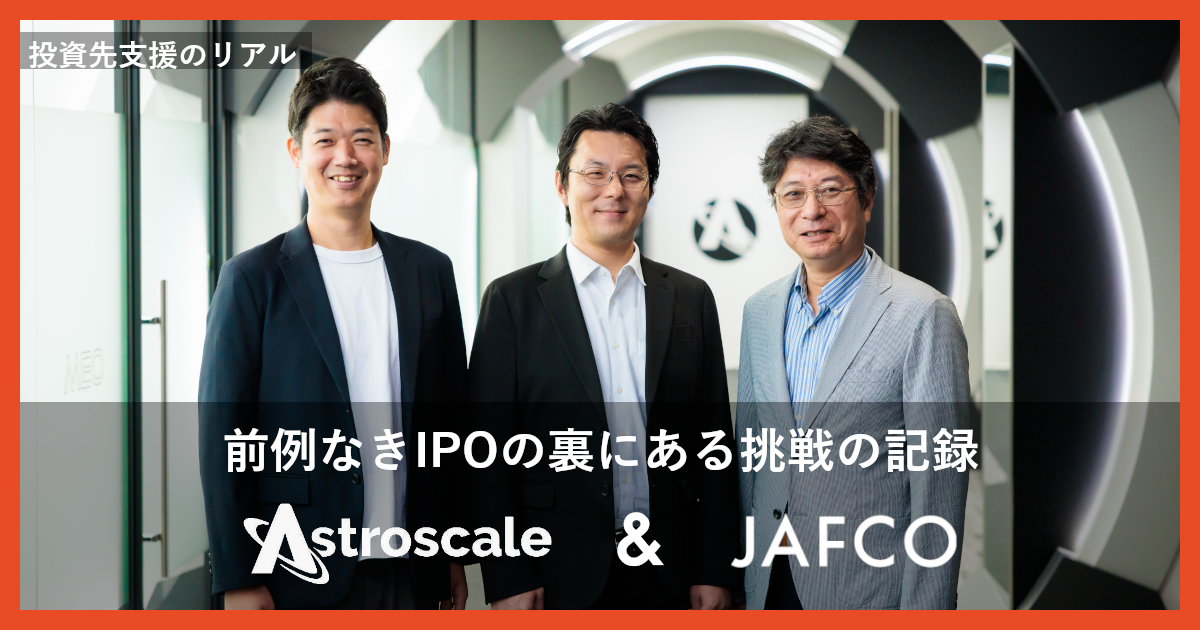
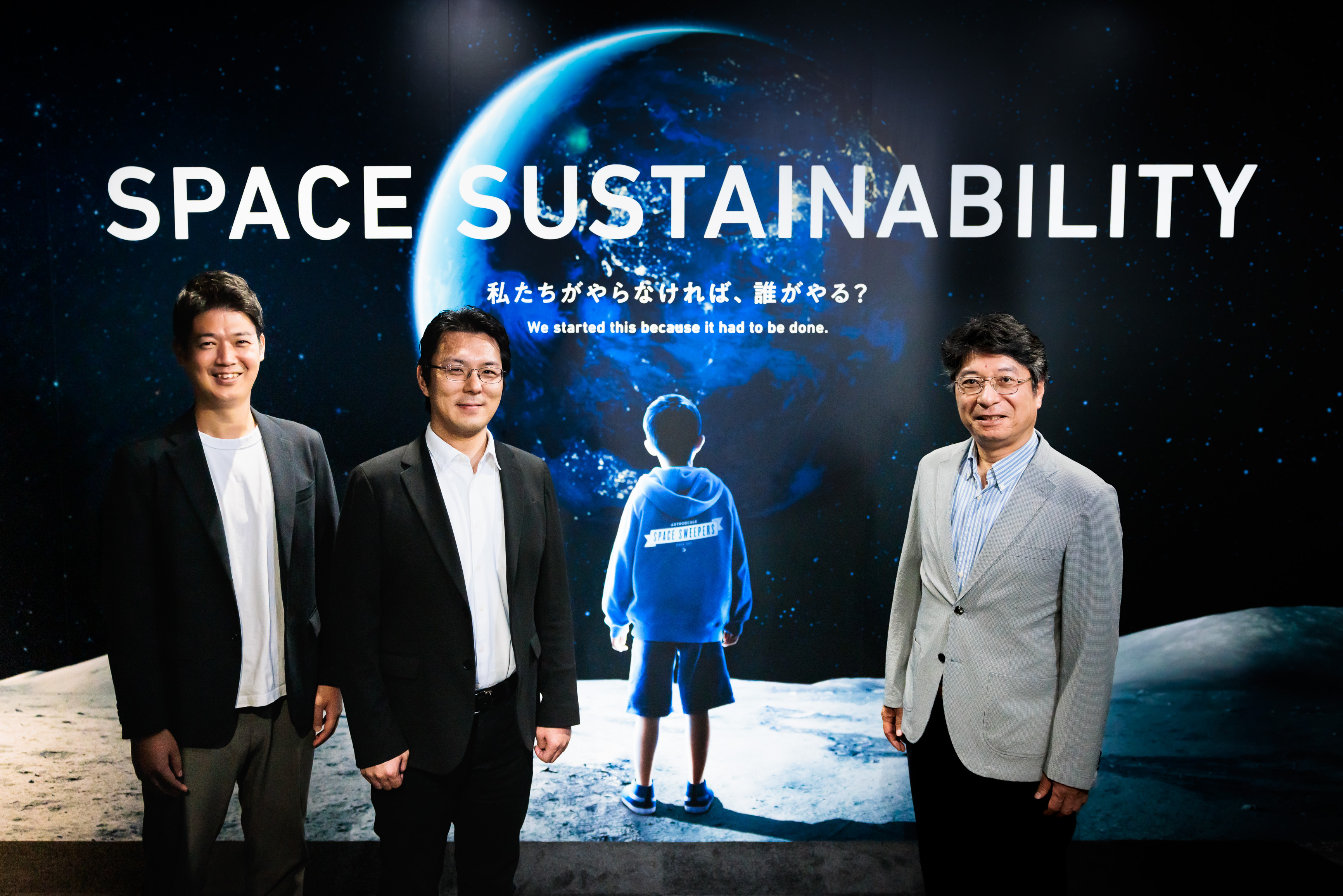
Astroscale Holdings Inc. (“Astroscale”) is pursuing commercialization of on-orbit services such as the world’s first-ever “space debris removal,” with the goal of realizing a sustainable space environment. As the company set its sights on a new stage, an IPO, it faced mounting challenges: increasingly complex fundraising, the need to establish a robust management framework, and the heavy responsibility that comes with decision-making as a CFO. With no one inside the company experienced in these matters, how did they create a structure, build governance, and prepare for the next stage? This is the story of their journey, told through a conversation among Nobuhiro Matsuyama, Director and CFO of Astroscale, Keisuke Otsuji, Director of Finance, and Eichi Katano of JAFCO’s Business Development Division, who supported them closely along the way.
Profile
Nobuhiro Matsuyama, Director and CFO, Astroscale Holdings Inc.
Appointed Chief Financial Officer in December 2021. Drawing on over 12 years of global investment banking experience at firms such as Goldman Sachs, he leads Astroscale’s financial strategy. Before joining the company, he worked on debt and equity offerings and M&A advisory. He also has extensive investment experience in Japanese startups. He graduated from the School of Engineering, Tokyo Institute of Technology, in 2009.
Keisuke Otsuji, Director of Finance, Astroscale Holdings Inc.
After graduating from the Faculty of Economics at the University of Tokyo and obtaining his CPA qualification, he worked at Deloitte Tohmatsu Group before joining Astroscale in November 2018. As Director of Finance, he oversees IPO preparation, financial strategy and business planning, fundraising (private placements, loans, IPO, and PO), statutory and timely disclosures, and investor relations.
About Astroscale
Astroscale is a global leader in on-orbit servicing that contributes to safe and sustainable space development. The company provides a wide range of innovative on-orbit services, including satellite life extension, observation and inspection of malfunctioning objects, and debris mitigation and removal. Since 2021, Astroscale has successfully demonstrated its technologies in orbit through missions such as ELSA-d and ADRAS-J. Its technologies have been adopted in pioneering missions with the Japan Aerospace Exploration Agency (JAXA), the US Space Force, and the European Space Agency (ESA). Headquartered in Japan, Astroscale operates globally with offices in the United Kingdom, the United States, France, and Israel.
Six Years of Preparation and Trust Built Through the IPO Journey
— To begin, please tell us about your roles at Astroscale.
Matsuyama: Astroscale is a startup tackling the global challenge of “space debris removal,” an area no one had seriously addressed before. I joined as CFO in December 2021 after spending more than 12 years in investment banking. When I met our founder, Nobu Okada, I was inspired by his passion and the grand vision he shared. My university major was civil engineering, so in a sense, using finance to support engineering fits perfectly with my background. Since joining, I have mainly overseen corporate operations such as IPO preparation, fundraising, and operational management before and after the listing.
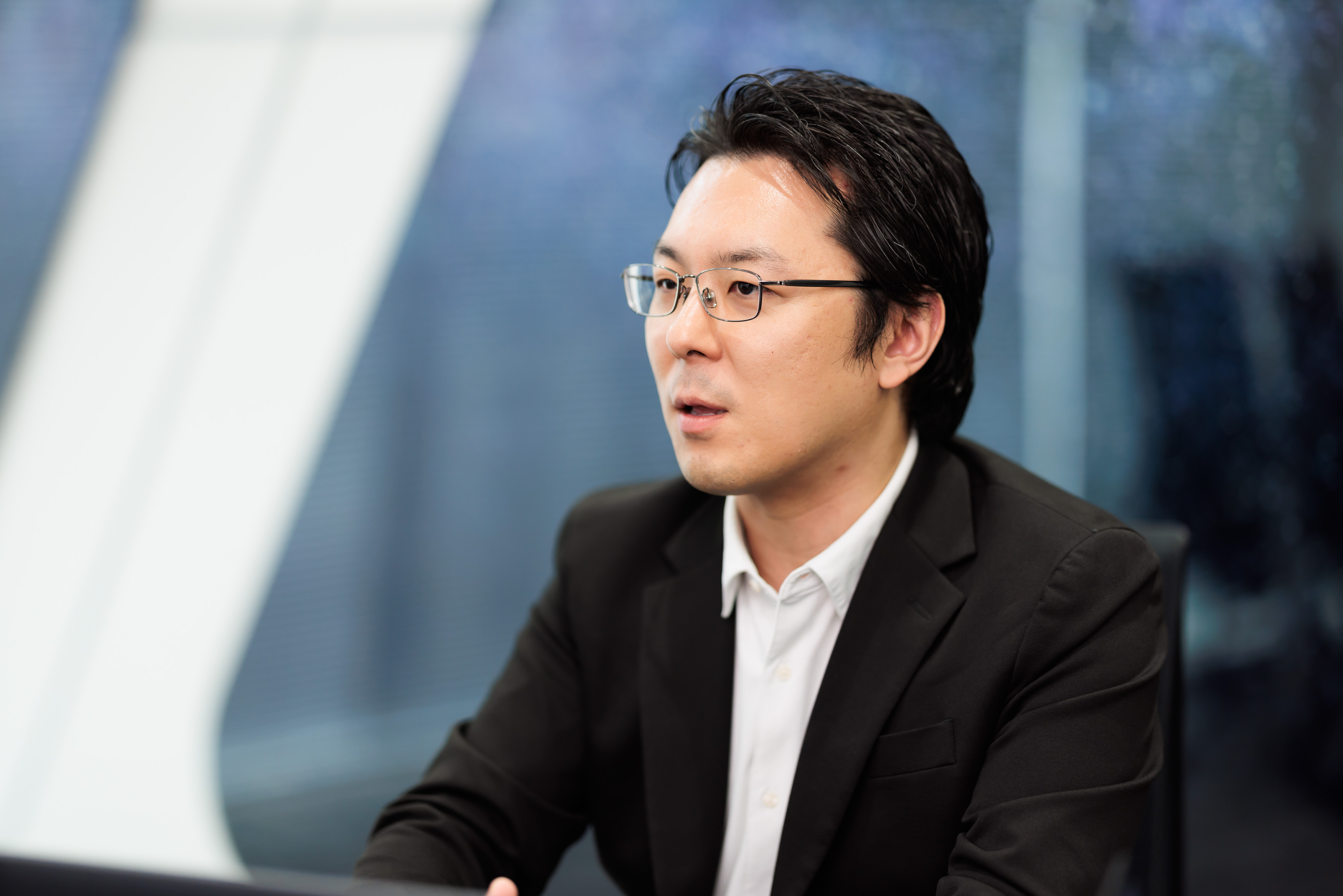
Otsuji: I belong to the finance team, where I work with the CFO on practical fundraising matters, financial strategy formulation, and designing administrative systems. I originally worked at an audit firm but happened to meet Okada on a tennis court. That encounter inspired me to join Astroscale in 2018, drawn by the chance to help build a business in a more challenging environment. I’ve been working closely with JAFCO’s Katano-san since then.
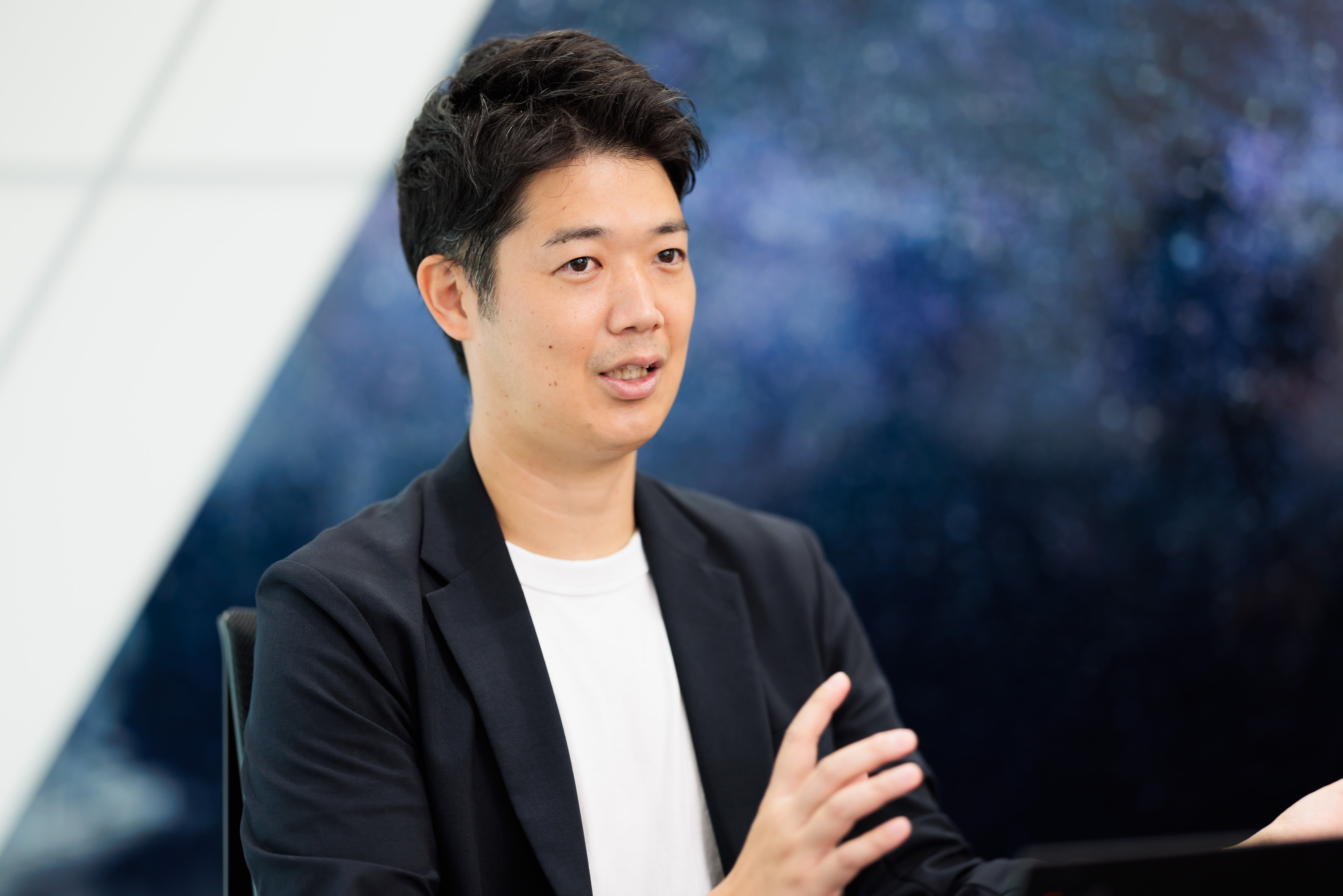
— Astroscale’s listing on the Tokyo Stock Exchange Growth Market in June 2024 marked a major step forward for Japan’s space startup sector. However, the road there was not smooth, was it?
Matsuyama: Looking back, it was a series of challenges. The most difficult decision was choosing the right timing for our IPO. Our business requires substantial funding, so we wanted to go public as early as possible, but we had to carefully balance market conditions and business progress. Because this was an entirely new business domain, it took time for investors to fully understand our story. In the end, I believe we listed at the right moment, and throughout the process, JAFCO provided ongoing advice and support.
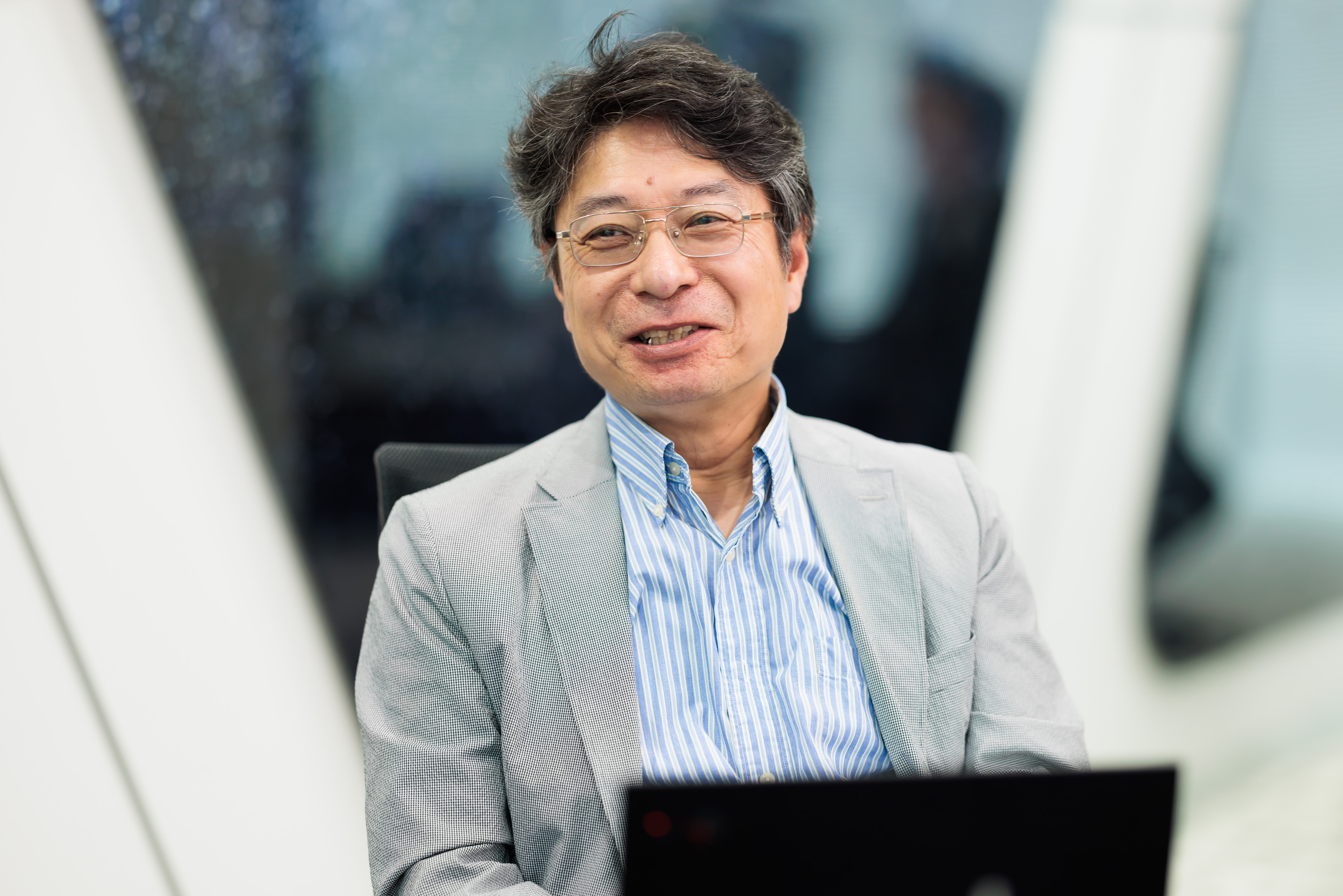
Katano: It certainly took time. It’s been about six years since I became directly involved. Initially, there was a plan to list through the Singapore entity, but later the decision was made to pursue a Japan-based IPO instead. That required an inversion (organizational restructuring), which took about six months. From there, the company moved forward cautiously, preparing while monitoring the market carefully. The market is always changing, and many things can happen as a company grows. Listing prematurely can cause issues later. Instead, it’s better to steadily prepare so the company is ready to go public at any time. I believe Astroscale followed a sound, well-grounded process toward listing.
Countless Examples and Deep Support
— What kind of specific support did you receive from Katano-san and the JAFCO team?
Otsuji: When we began preparing for the IPO, we still lacked an internal structure and were struggling daily with where to start. For technology-driven startups like ours, the focus often goes to the vision and the product, while back-office systems tend to be secondary. However, to earn trust from the market, it’s essential to have a solid operational foundation. JAFCO earnestly helped us bridge that major gap, as our own experience and know-how in this area were still limited.
Matsuyama: Among venture capital firms, I feel JAFCO’s strengths lie in its “depth of experience” and “quality of support.” When working to strengthen governance for the IPO, we needed to know which regulations to prioritize and what measures to implement. Having access to a vast collection of case studies was immensely valuable.
Otsuji: When complex, real-world issues arose—things that couldn’t be solved by textbook knowledge—JAFCO gave advice based on their extensive experience. For example, when designing internal approval flows or setting the right KPIs for budget management, they provided hands-on, practical guidance tailored to our situation, saying things like “Let’s start from this perspective.” In fact, on our internal responsibility chart, we even listed Katano’s name under the nickname “Master Katano”. In the early stages, he didn’t just give advice—he actually rolled up his sleeves and demonstrated how to do things himself, which was incredibly helpful.

— It seems like “running with you” is a better term than “support” in this case.
Matsuyama: Exactly. And it was never one-sided involvement. They always reminded us, “Let’s make sure you’ll be able to run independently from here,” offering support with an eye toward our self-sufficiency. That sense of balance was something I really appreciated.
Creating a Self-Sustaining Organization"
Katano: What we aim for is not simply to “help out,” but to build systems that allow startups we invest in to operate independently. When there’s a practical issue, we want them to feel comfortable reaching out for help, but ultimately, our goal is to prepare them so their management team can make decisions on their own about what Astroscale should be. We always try to work with that next step in mind.
Otsuji: We worked with several other venture capital firms throughout the time, and each of them supported us in their own way. The level and frequency of support naturally vary depending on the situation, but JAFCO stood out for always facing us directly, as if we were truly partners. That’s why we could trust them completely. For me, and for our entire team, Katano-san in particular became a kind of emotional anchor.
There was one night when I was struggling with a decision and ended up calling him unexpectedly. During IPO preparation, we had to develop and implement a wide range of internal rules, but as a startup, there were moments when our operations couldn’t yet keep up with the formalities. Since it was my first time preparing for an IPO, I wasn’t sure how to handle these transitional issues. Katano calmly told me, “It’s important not to conceal your current situation. Explain the facts honestly, show a clear path forward, and demonstrate actual improvement over time. That’s what builds trust.”
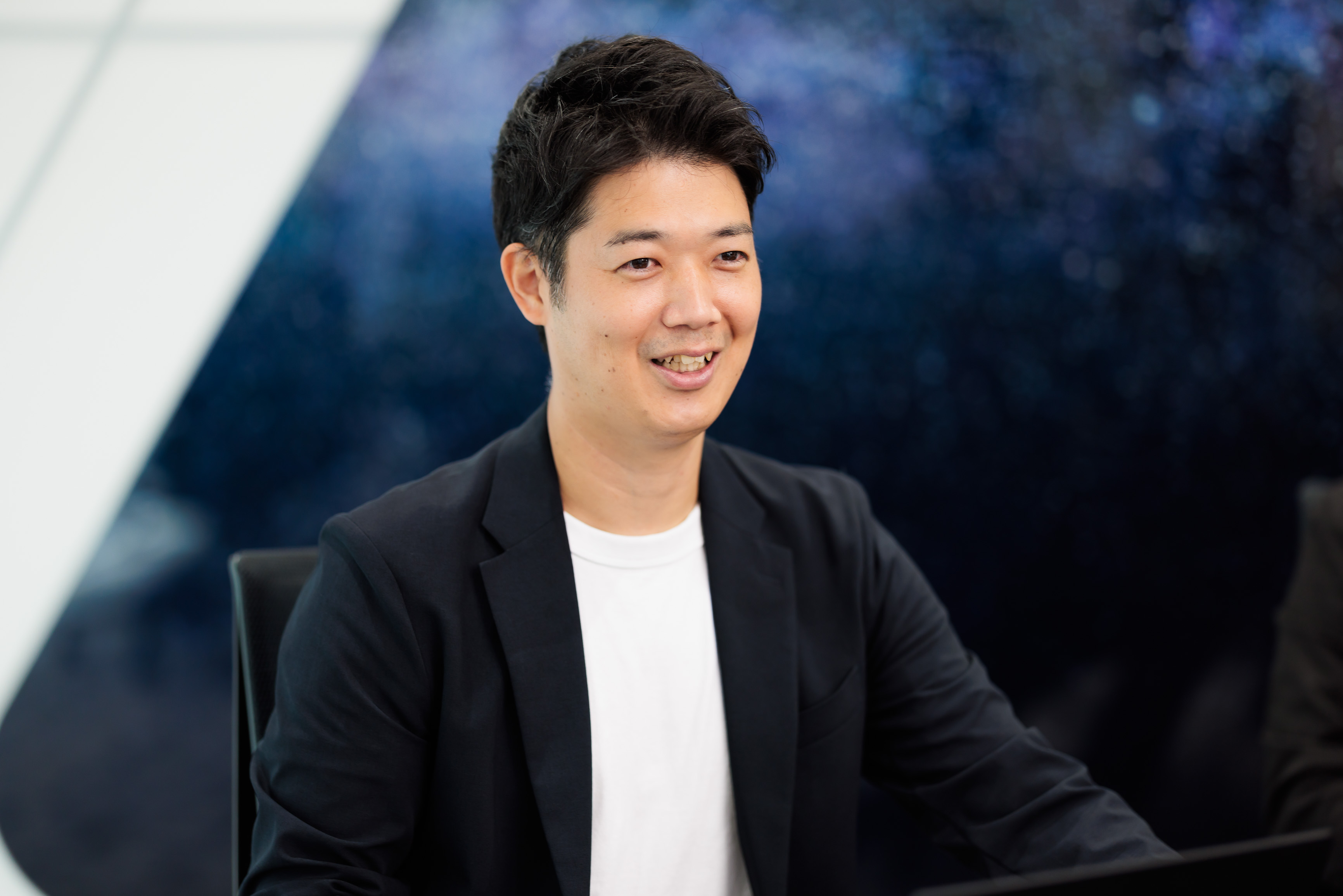
Katano: I remember that. You called just as I had stepped into a public bathhouse, which caught me off guard.
Otsuji: Oh, I didn’t realize that. My apologies for interrupting your evening. But following your advice worked well, we gained understanding both inside and outside the company, and things proceeded smoothly. There were many other times—especially during our legal and accounting setup—when I faced uncertainty or hesitation, and each time, you immediately helped me find a solution. Although you are calm and reserved, your wealth of experience and gravitas was extremely impressive.
Katano: That’s kind of you to say, but ultimately, what drives a company’s growth is its people. Astroscale has attracted outstanding talent who resonated deeply with its vision. That, more than anything, is the company’s growth engine. My role is simply to help create an environment that allows such people to thrive through back-office support.
Sales and development are, of course, vital, but the corporate function forms the backbone of a company. Like the stone foundation of a castle, it’s crucial to place key people there and enable them to perform effectively. In that sense, having Matsuyama-san join after Otsuji-san had built the early-stage structure marked a major step forward. Incidentally, Otsuji-san’s younger brother, Yusuke-san, also joined Astroscale and played an important role in disclosure operations.
Support That Builds Choices Together
— As CFO, what did you focus on most during the IPO preparation process? And what role did JAFCO play?
Matsuyama: The role of a CFO covers many areas, but I believe the most important one is “resource allocation.” At any given moment, you need to understand what investors are seeking, where the business currently stands, and what resources the company can deploy. Based on that, you formulate a strategy to allocate resources appropriately, engage in equal discussions with management, and explain your reasoning logically to investors. That’s how a credible organizational structure is built.
In developing that structure and the systems behind it, JAFCO’s close support was indispensable. For example, before and after going public, we strengthened our accounting team, and even in making that decision, JAFCO provided valuable advice.
In addition, their support extended beyond IPO preparation, backing us in capital policy as well, which we greatly appreciated.

— What kind of support was that, specifically?
Matsuyama: I don’t see an IPO as a goal, but rather as one of several management options. That’s why when the schedule changes or external conditions shift, it’s important to rebuild the set of options accordingly.
In fact, when it became possible that our IPO timing would be delayed from the initial plan, we immediately launched a private fundraising project. We always kept multiple options open besides the IPO. JAFCO was quick to act each time, consistently staying by our side as we flexibly reviewed our capital strategies in response to changing circumstances. Their willingness to explore together what was best for Astroscale at any given moment—not just to “assist with the listing”—was something I truly valued.
Katano: The faster a startup grows, the more it needs a CFO who can speak up to the management team and clearly set the direction. Matsuyama-san is exactly that kind of person.
Matsuyama: That’s what I strive to be. The environment surrounding space development is constantly changing. Even as circumstances shift, it’s essential to stay calm, organize information accurately, and maintain a consistent decision-making axis. I believe a CFO’s role is to serve as a hub connecting the different perspectives of management, on-site teams, and investors.
Supporting “Human Value” Leads to Corporate Value Growth
— How did Katano-san’s support influence your ability to put that philosophy into practice?
Matsuyama: As Keisuke mentioned earlier, Katano-san was a “mental anchor” for me as well. Even when I was uncertain, he never wavered. He listened carefully and quietly showed the way forward. His composure, built through overcoming numerous challenges alongside other startups, was a great source of insight for me in thinking about what kind of CFO I should be. Management involves a series of decisions, and having someone who truly thinks through those decisions with you is immensely valuable.
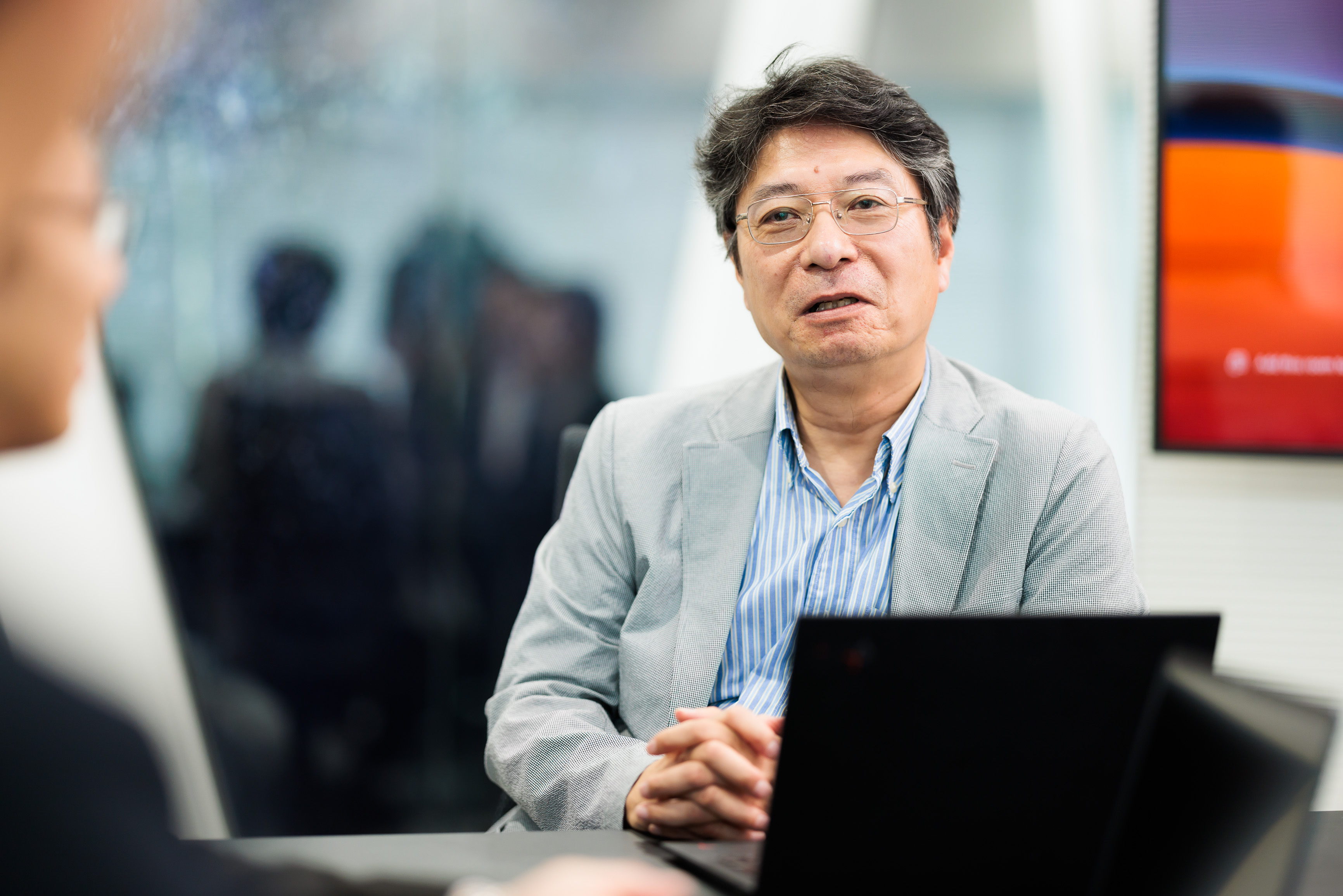
Katano: The IPO process is a valuable field for the people involved to grow their skills. That’s why I believe it’s crucial to hire talented individuals who have both potential and good intuition. It’s rewarding to witness not only the company’s growth but also the rapid development of the people themselves.
Corporate value ultimately comes down to human value. My work is about helping to enhance that human value.
— It’s clear how critical back-office support can be for startups.
Otsuji: Absolutely. Having professionals like the JAFCO team, who demonstrate what it means to truly support others, keeps us motivated and focused.
Matsuyama: We continue to take on challenges in the new frontier of space, and we can’t predict what mountains lie ahead. But knowing that there are people who will support us along the way gives us tremendous confidence. True support isn’t just about advice or providing information. It’s about thinking and acting together. Working with JAFCO made me realize that.
Since going public, I’ve felt that the level of management required of us has risen even further. Talking with Katano-san today brought back memories of those early days and reminded me of my original intentions. I look forward to continuing to work together.
Katano: Likewise. Thank you very much for today.
-
.png)
The Reality of Venture Support
Why a Professional CEO Sought Coaching: Waterfront’s Organizational Reform Challenge Accompanied by a Coach for Two Years and Three Months
-
The Reality of Venture Support
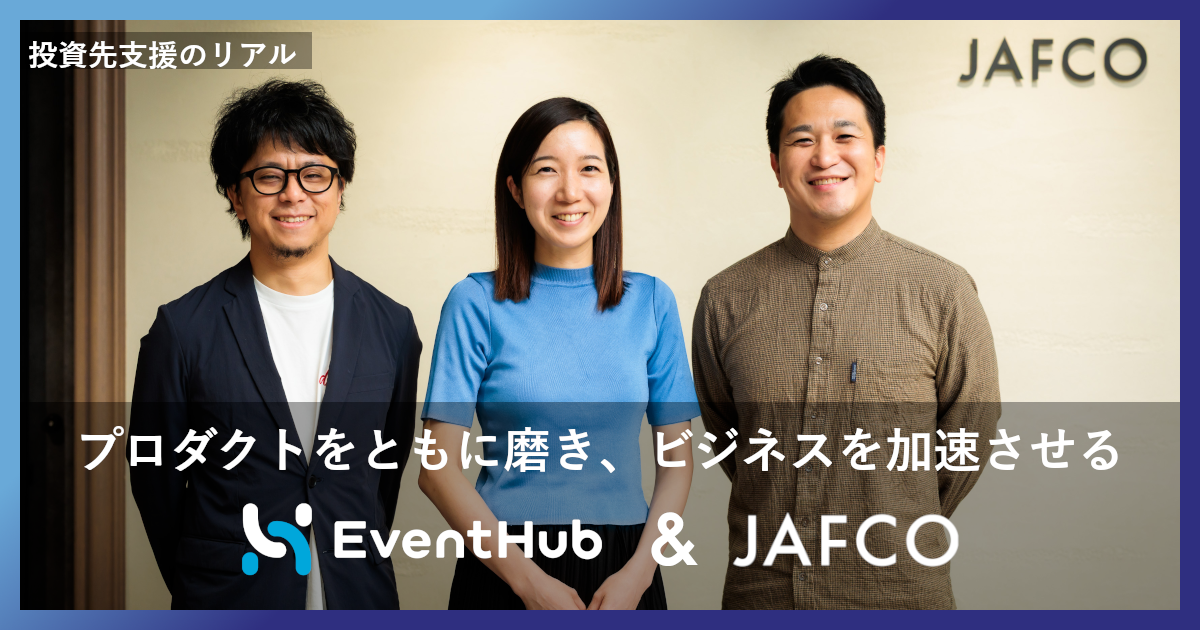
Polishing Products Together and Accelerating the Business: EventHub’s Challenge, Backed by JAFCO’s User-Centric Support
-

The Reality of Venture Support
How to Apply "Leverage" to Both People and the Organization: The Role of HR Support in Enhancing Portfolio Company Value
-
The Reality of Venture Support
An IPO Is Just a "Milestone": Behind the Scenes of Back-Office Support Aimed at Increasing Portfolio Company Value
-
The Reality of Venture Support
The Basis of Support Is Creating Business Opportunities—How We Create That Crucial "First Meeting" for Startups