
Interviews with Entrepreneurs
Tackling Antimicrobial Resistance with Synthetic Phages: A Scientist-Turned-Entrepreneur’s Mission
Aug. 28, 2025
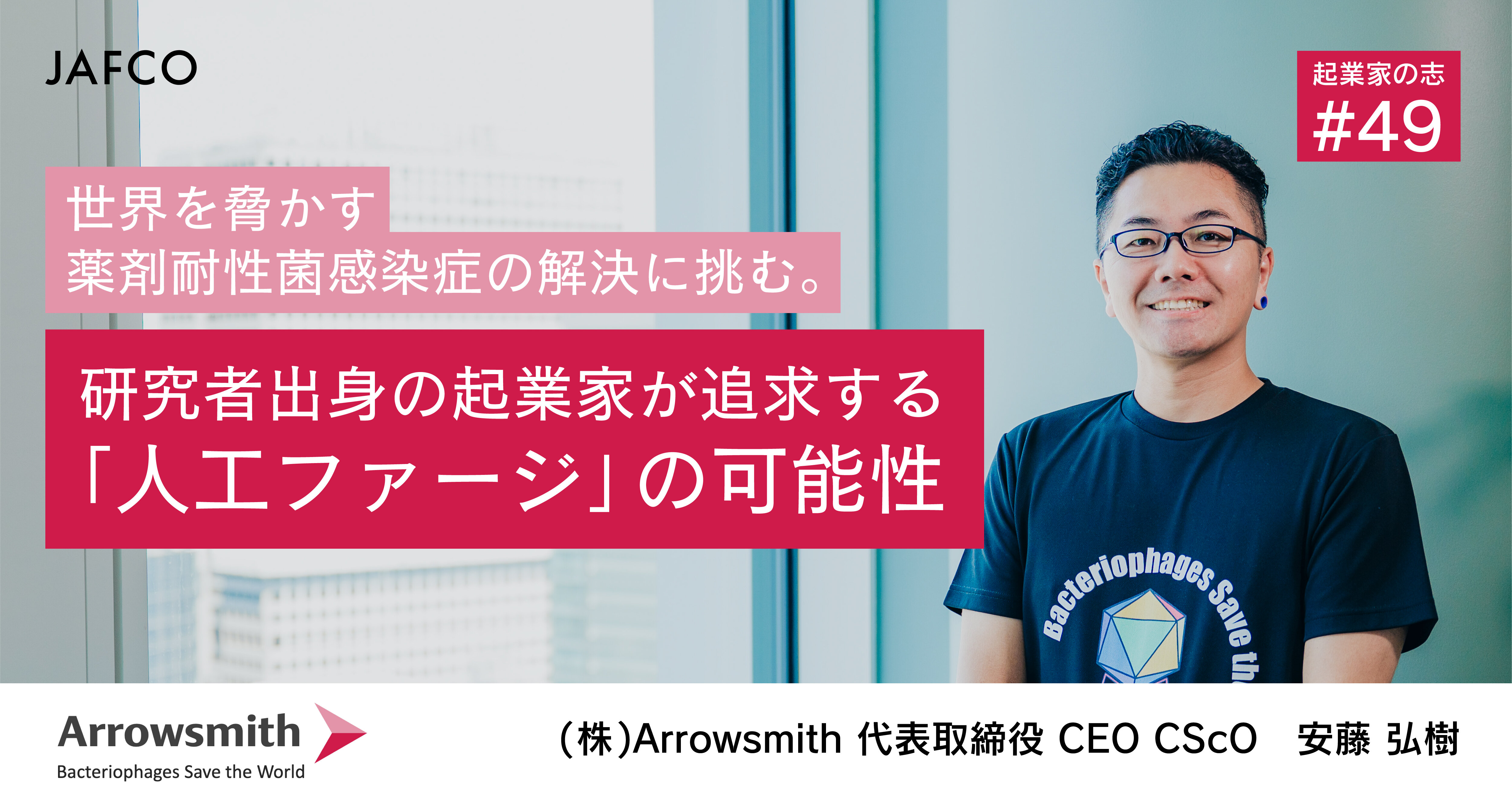
“Entrepreneurial Spirits” is a series that explores the motivations, struggles, and ambitions of startup founders. In this 49th installment, we speak with Dr. Hiroki Ando, Founder and CEO of Arrowsmith Inc., and Taira Kobayashi, the lead venture capitalist from JAFCO Group, about Arrowsmith’s mission to bring phage therapy to patients and address one of the world’s most pressing healthcare challenges: Antimicrobial Resistance (AMR).
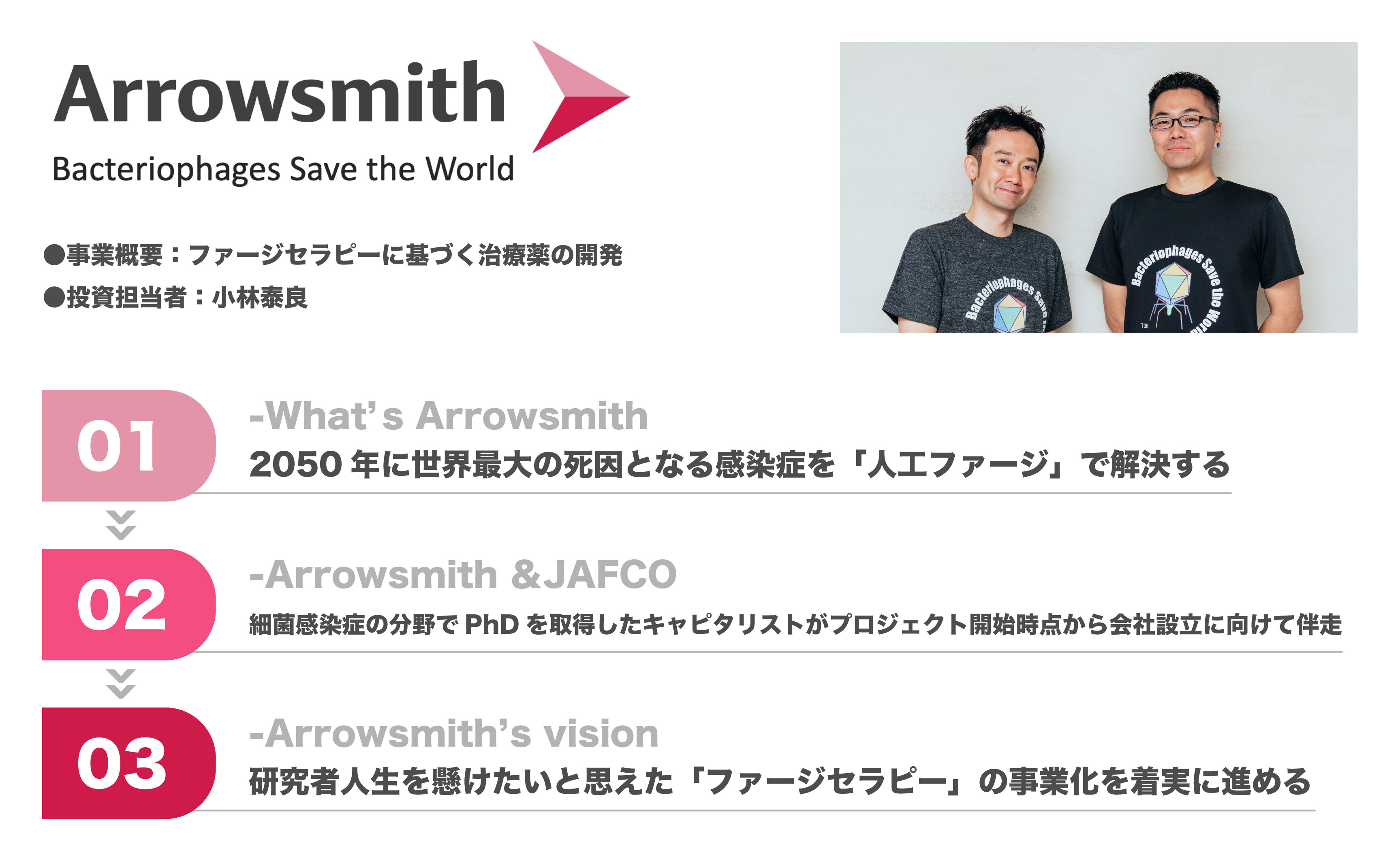
【Profile】
Hiroki Ando, PhD
Founder, CEO & CScO, Arrowsmith Inc.
Dr. Ando earned his PhD in Medicine from Osaka University. He subsequently served as a Research Scientist and Senior Research Scientist at the National Center for Global Health and Medicine before continuing his research at the Massachusetts Institute of Technology. In 2017, he joined Gifu University as an Assistant Professor. In 2020, he was appointed Project Associate Professor at the Laboratory of Phage Biologics, Gifu University. He also served as Principal Investigator at Astellas Pharma Inc., and, from 2024, as Head of the Venture Unit Engineered Phage Therapy. In February 2025, he founded Arrowsmith Inc., where he currently serves as CEO and CScO.
【What is Arrowsmith Inc.?】
Arrowsmith Inc. is a biotechnology startup developing phage therapies to combat AMR bacterial infections. The company is building a synthetic engineering platform that enables the modification of phages for therapeutic use. As AMR infections continue to spread globally, Arrowsmith aims to bring phage therapy into clinical practice and establish it as a viable alternative to traditional antibiotics. In particular, the company is developing phage therapy for patients with cystic fibrosis, who often suffer from drug-resistant Pseudomonas aeruginosa lung infections.
Using Synthetic Phages to Combat AMR—One of the Greatest Global Health Threats by 2050
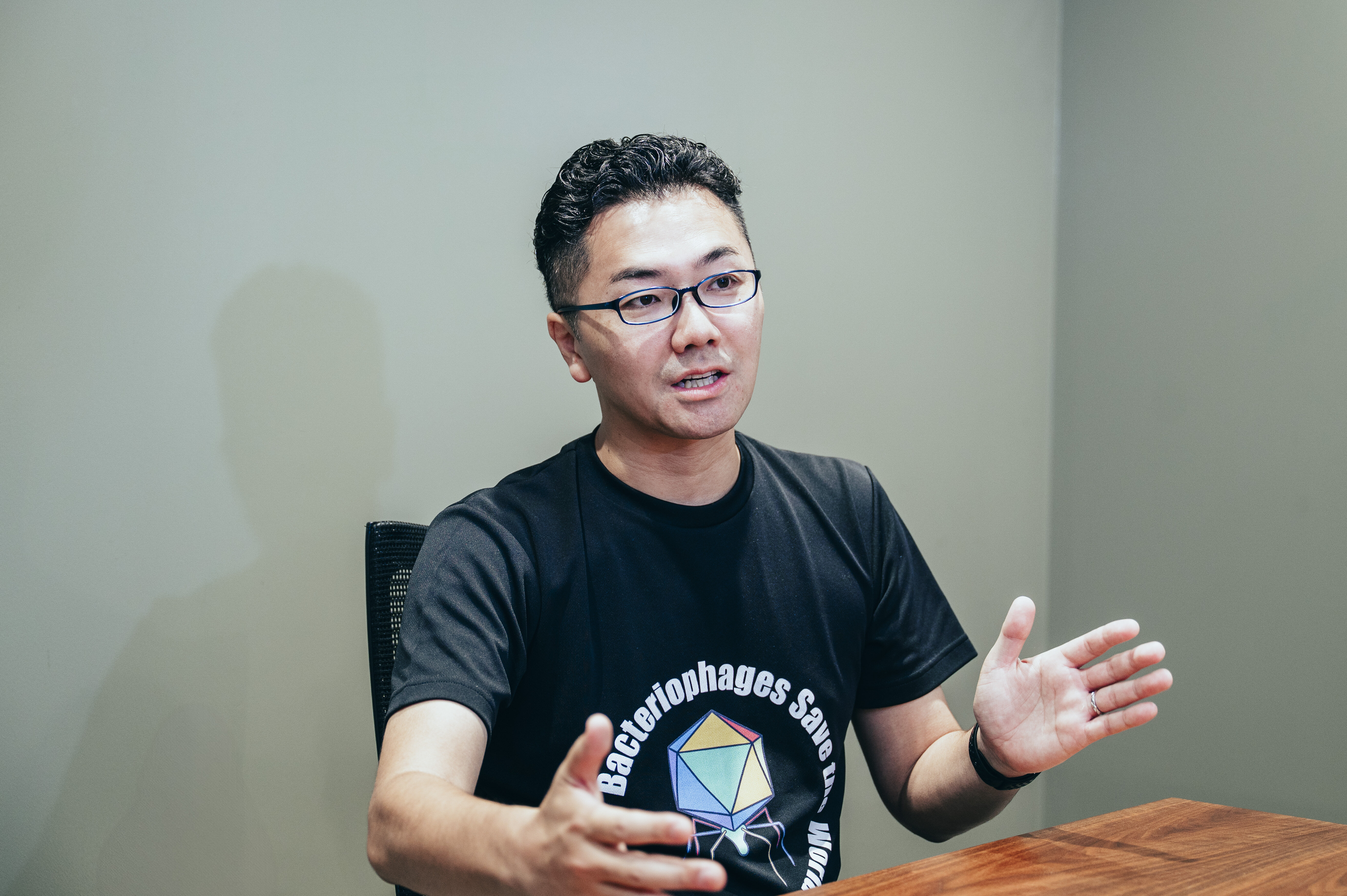
—Could you tell us about the engineered phage therapy that Arrowsmith is developing?
Ando Phages, or bacteriophages, are viruses that specifically infect bacteria. Phage therapy is a treatment approach that uses these viruses to combat bacterial infections. Although phage therapy has existed for more than a century, its development largely faded following the discovery of penicillin and the widespread adoption of antibiotics.
In recent years, however, infections caused by antibiotic-resistant bacteria have emerged as a major global health challenge. Some projections estimate that antimicrobial resistance (AMR) could cause up to 10 million deaths annually by 2050. Against this backdrop, phage therapy is once again attracting worldwide attention as a potential alternative to conventional antibiotics.
Traditionally, phage therapy has relied on naturally occurring phages isolated from the environment. During my time at MIT, I joined Professor Timothy Lu’s laboratory and worked on applying synthetic biology to engineer phages with enhanced therapeutic functions. At the time, however, genetic engineering techniques were available for only a limited number of model phages. Recognizing the potential of phage therapy, I developed the Yeast Platform, a broadly applicable technology that enables the genetic engineering of diverse naturally occurring phages rather than only a handful of model phages. After returning to Japan, I built upon this work by developing a second-generation technology, the Synthetic Engineering Platform. Through synthetic phages generated using this platform, we aim to provide new therapeutic options for patients suffering from AMR and ultimately help address one of the most pressing healthcare challenges of our time.
— What inspired you to pursue phage therapy, and was there a particular turning point that set you on this path?
Ando When I was a PhD student, I was conducting basic research on enterohemorrhagic Escherichia coli (EHEC) O157 Sakai, a pathogenic strain known for causing severe intestinal infections. At one point, while analyzing gene expression across the genome, I came across something remarkable: the genome contained numerous prophages—dormant phages embedded within bacterial genomes—as well as remnants of phage genomes.
Of course, I already knew from textbooks and the scientific literature that EHEC Sakai carried many prophages and that phages infect bacteria. But seeing it firsthand was a very different experience. In that moment, a simple question came to mind: Could phages be used to treat infections caused by antibiotic-resistant bacteria?
I was so excited by the idea that I briefly thought I had coined the term “phage therapy”—only to discover after a quick web search that it had been around for nearly a century. (laughs)
I remember being a little embarrassed by my own ignorance, but the spark I felt at that moment was unlike anything I had experienced in my day-to-day research. It was more than scientific curiosity. From then on, I became fascinated by phage therapy and wanted to pursue it seriously. When I spoke with my PhD advisor, he generously allowed me to explore phage-related research alongside my primary project. That was really the beginning of my journey in phage therapy.
— That experience seems to have ignited your passion for phage therapy. When did you begin pursuing phage therapy in earnest?
Ando It was after I moved to MIT in 2012. At the time, several phage-therapy startups were beginning to emerge in the United States and Europe. In Japan, by contrast, phage research was advancing within academia, but there was little momentum toward commercialization.
During my time at MIT, I published a number of papers and was even approached by U.S. startups about joining their teams. It was an exciting period, but I felt strongly that I wanted to help build this field in Japan. That conviction led me to begin exploring the possibility of starting a company of my own. In 2015, I entered the BioScience Grand Prix under the name Team Arrowsmith. Receiving the Grand Prize gave me confidence that entrepreneurship could be a viable path forward and further strengthened my determination to build a company. At the time, however, our team consisted entirely of academic researchers. We lacked both entrepreneurial experience and the practical expertise needed to build and manage a business. As a result, we were not yet ready to turn that vision into reality. Even so, the experience reinforced my belief that phage therapy had the potential to become a meaningful new treatment modality. It also convinced me that bringing it to patients would ultimately require building a company around it.
— Before founding Arrowsmith in 2025, you spent several years at Astellas Pharma. What led you to choose that path instead of pursuing a startup at the time?
Ando In early 2019, I was approached by the CEO of another company about co-founding a new venture. At the time, I was preparing to join the company as Chief Scientific Officer. Around the same period, however, I was also contacted by Astellas Pharma, which was interested in applying my phage-engineering technology to the development of phage therapy.
It was one of the most difficult decisions of my career. On one hand, I had the opportunity to pursue entrepreneurship. On the other, Astellas offered world-class research capabilities, extensive drug-development expertise, and the resources needed to advance phage therapy at scale. Ultimately, I chose to work with Astellas because I believed it was the fastest path to bringing phage therapy to patients.
Over the following five years, we conducted a joint research program with the Laboratory of Phage Biologics at Gifu University and made substantial progress toward the commercialization of phage therapy. The technologies and research outcomes generated through that collaboration have since been transferred to Arrowsmith, where we are now accelerating development as an independent company.
A Venture Capitalist with a PhD in Bacterial Infectious Diseases Supporting the Company Since Its Earliest Days
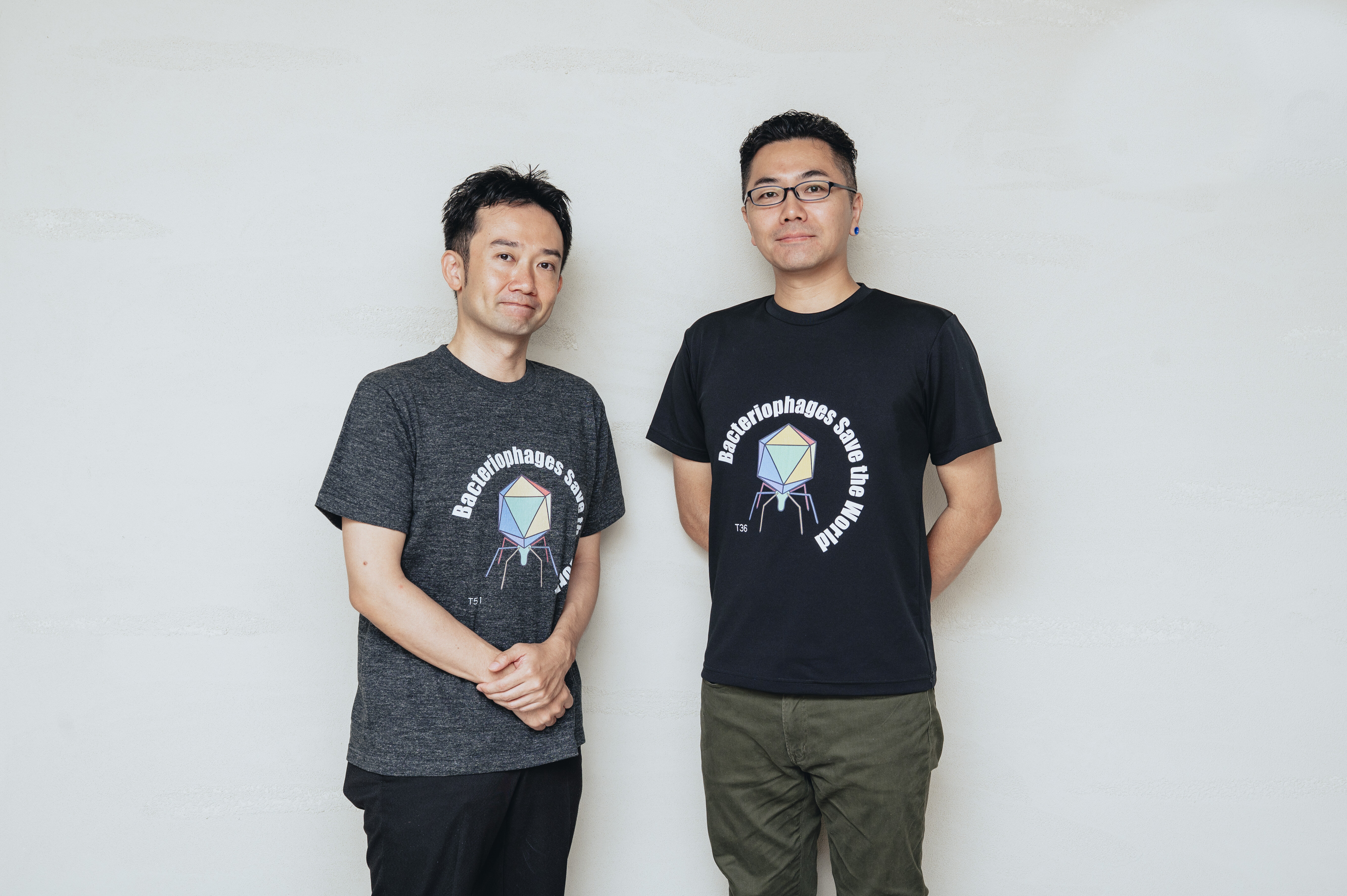
— When and how did you first connect with JAFCO?
Ando It was in the summer of 2019. My initial contact was with another member of the JAFCO team rather than Kobayashi-san. At the time, we were not discussing a potential investment. Instead, we talked about my research, its progress, and how I was thinking about the future. I believe the first time I met Kobayashi-san in person was in 2022.
Kobayashi That's right—that was the first time we met in person. We actually had an indirect connection long before that. My academic mentor and Ando-san's PhD advisor both came from the same laboratory specializing in bacterial infectious diseases.
About 15 years ago, I was conducting basic research on bacterial infections at the University of Tokyo. While my work focused on fundamental science and publishing papers, I often found myself thinking about a broader question: how could I create value for society beyond academia? Even then, I saw phage therapy as one of the most promising areas for real-world impact.
After leaving academia, I worked across several companies, industries, and functional roles before becoming a venture capitalist at JAFCO in 2020. Around 2022, as I began looking for opportunities to help build startups from the ground up, AMED launched its Strengthening Program for Pharmaceutical Startup Ecosystem. The program significantly reduced one of the biggest barriers to investing in drug-discovery startups by helping offset the cost of company-sponsored clinical trials. JAFCO became a certified VC under the program and began actively searching for opportunities in the space.
The program was originally designed to support startups developing vaccines and therapeutics for infectious diseases. Yet despite the importance of the field, there were very few infectious-disease drug-discovery startups in Japan. During my years in academia, I had seen firsthand how infectious-disease research often received far less attention and support than it deserved.
At the same time, there were very few investors who combined deep expertise in infectious diseases with the business experience needed to build companies in the field. Being at JAFCO—one of the few venture firms in Japan capable of supporting a company from its earliest stages through scale-up—I felt a strong sense of responsibility. I remember thinking, “If I don't do it, who will?”. That conviction led me to explore the commercialization potential of phage therapy. During that process, a former colleague from academia told me about Ando-san, who was conducting research at Gifu University while also collaborating with Astellas Pharma. To learn more about the technology and its potential, I traveled to Gifu to meet him in person.
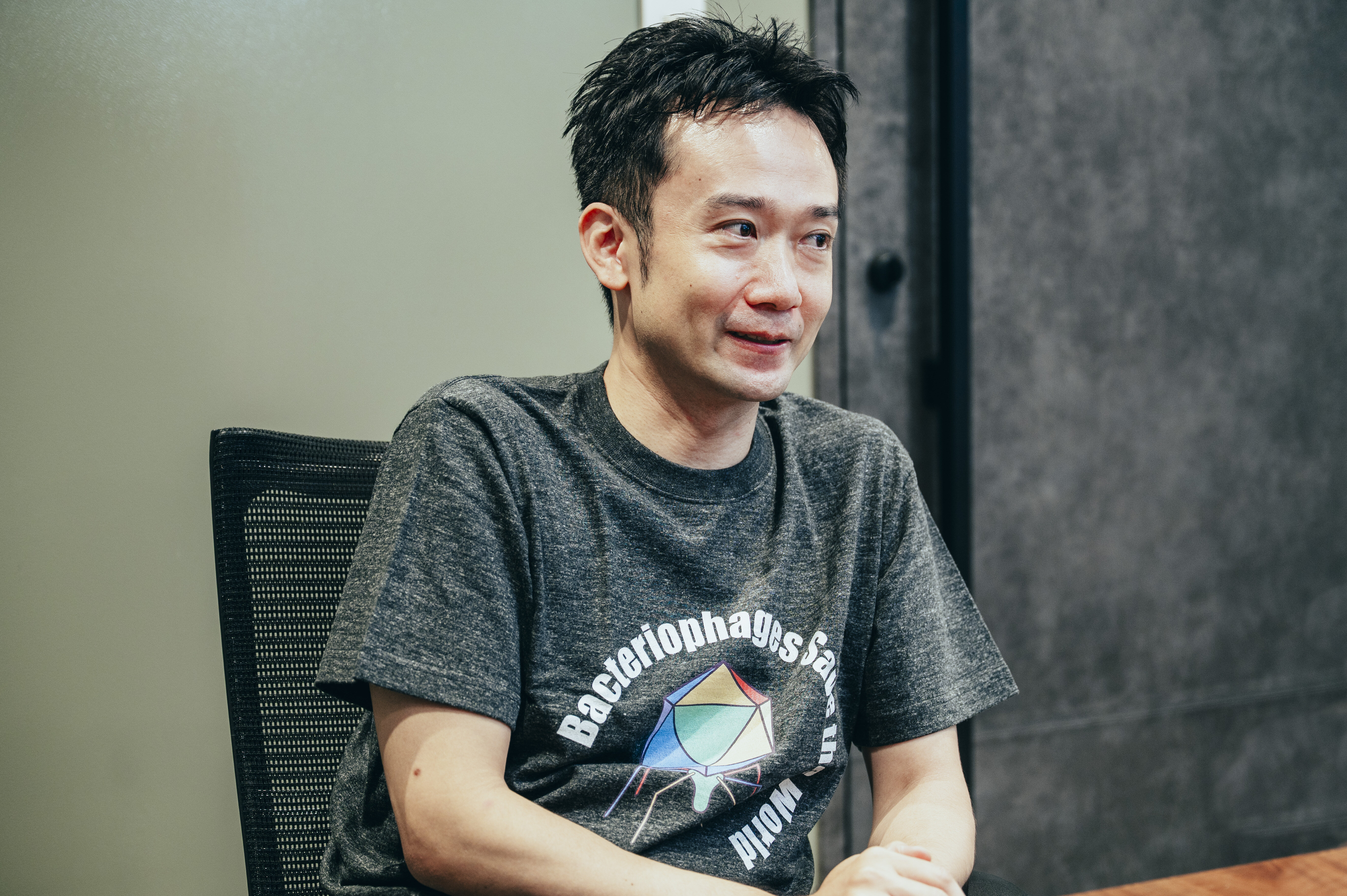
— What did you talk about during that meeting?
Kobayashi As I mentioned, I have a background in bacterial infectious diseases myself. Because Ando-san was working at Astellas Pharma at the time, there were limits to what he was able to share, so our conversation was mostly an informal exchange about developments in the field and our perspectives on its future. During that discussion, he mentioned that he and several other academic researchers were holding regular meetings to explore the commercialization of phage therapy. Then, toward the end of our conversation, he asked, “Would you like to join those meetings?” It was our very first meeting, so I was honestly quite surprised. (laughs)
Ando (laughs) That's right. At the time, I was working at Astellas Pharma, but there are inherent limitations to the kinds of projects that can be pursued within a large organization. There were many areas of phage therapy that I believed were important and socially valuable, yet difficult for me to pursue directly within the company. The idea of starting a company to take on those challenges and advance them into development had always been in the back of my mind. That's why I felt it would be incredibly valuable to have someone like Kobayashi-san involved in our discussions. He brings a unique perspective as both a researcher in bacterial infectious diseases and an investor. I believed that having him participate in our regular meetings and share his insights would greatly enrich our discussions.
Kobayashi I’m involved in a number of different projects, so I don’t usually commit to attending regular meetings for projects that are still in the academic research stage. Normally, I would take time to think carefully before agreeing to something like that. But in this case, my reaction was different. I immediately felt that Ando-san had the potential to build a startup and that JAFCO could eventually become involved as an investor. After just a few seconds, I said, “Absolutely”. From that point on, we began meeting regularly.
At the time, we expected the journey to take several years. We needed to carefully navigate the relationship with Astellas Pharma, refine our strategy, bring additional collaborators on board, and secure public funding, all while knowing that clinical development was still a long way off. At the same time, I had a strong sense that it would be difficult for a Japanese pharmaceutical company, acting alone, to advance a novel infectious-disease modality all the way through clinical development. Because of that, I always felt there was a possibility that deeper collaboration with Astellas—or eventually transferring clinical assets to a new venture—could become part of the path forward.
— And Kobayashi-san’s prediction eventually came true, didn’t it?
Ando Yes. Starting in the spring of 2024, we spent roughly a year evaluating a range of strategic options, including out-licensing opportunities. After carefully considering several alternatives, we ultimately concluded that the best way to move the program forward was to create a new company. That decision led to the founding of Arrowsmith and the transfer of the program into the company.
Kobayashi The timing was actually two to three years earlier than I had expected. That said, the possibility of spinning the program out into a startup was always within the range of scenarios we had considered, so when the opportunity arose, we were able to move quickly.
What impressed me most was Astellas Pharma's decision-making process. They had other options available to them, including selling the assets or keeping the technology in-house. Instead, they chose to prioritize patients and entrusted the technology to Ando-san so that development could continue. To me, that reflected a genuine commitment to creating social impact. Their determination to ensure that phage therapy continued moving toward real-world application resonated strongly with us.
—When did the discussion about JAFCO investing in Arrowsmith become concrete?
Ando Shortly after we began exploring out-licensing opportunities, Kobayashi-san told me that JAFCO wanted to come in as the lead investor. That was before any formal due diligence had even begun.
Kobayashi To be honest, I had already developed a fairly strong conviction by that point. Even before we started discussing the possibility of a startup, I had my own view about which AMR pathogen would make the most promising initial target for a phage-therapy company. Yet during our regular meetings, Ando-san never mentioned that pathogen at all. Given his position at Astellas Pharma, I assumed there were confidentiality constraints and took that as a sign that development was already underway. (laughs)
So when the details were finally disclosed to me, everything aligned with what I had expected. My reaction was essentially, “Yes, that makes perfect sense”. I am grateful to the team at Astellas Pharma for developing the program in a way that aligned so well with the future startup strategy. By that point, we had also already built strong consensus within JAFCO's Life Sciences team, which allowed us to move quickly once the opportunity became real.
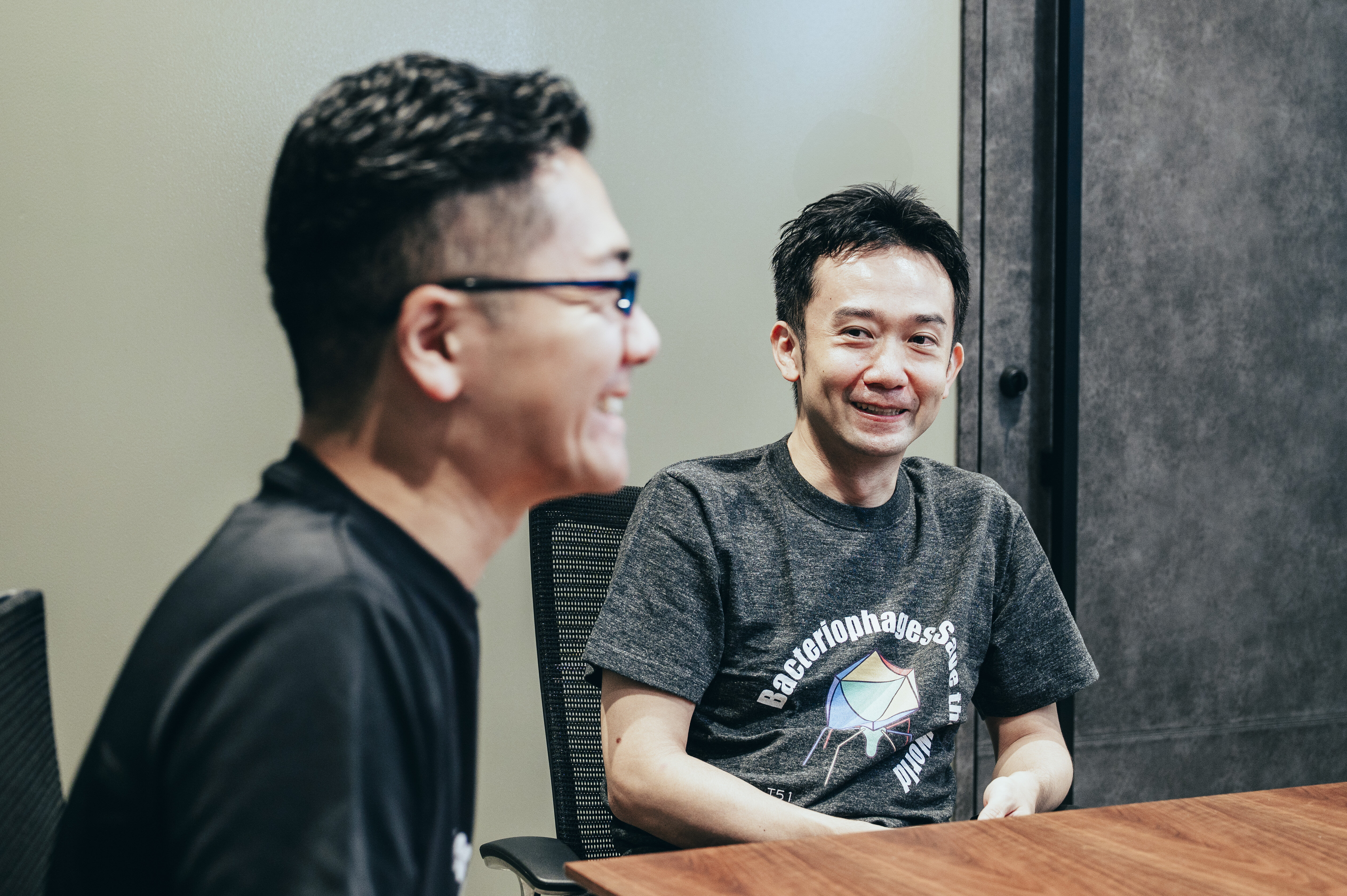
— Beyond the clinical pipeline, what gave you conviction as an investor?
Kobayashi Without getting too deep into the technical details, let me start with the technology and what makes it unique. Ando-san conducted pioneering research in phage engineering at MIT, one of the world's leading engineering institutions.
At the same time, he built his scientific foundation in Japan through years of rigorous research in bacterial infectious diseases. In my view, that combination is rare. The U.S. research environment is highly efficient and specialized, while researchers in Japan often gain deep, hands-on experience by working directly with complex biological systems over long periods of time. Ando-san's ability to bridge both worlds—deep expertise in bacterial infections and cutting-edge phage engineering—has created a technological advantage that I believe is globally competitive.
That said, technology alone is never enough. One of the most important factors in any investment is whether the founder is genuinely committed to bringing research and innovation to the people who need it. In academia, success is often measured by publications and scientific achievements. There is nothing wrong with that. But building a company requires a different kind of responsibility.
Particularly in drug discovery, every new therapy builds upon decades of work by researchers, physicians, companies, investors, and patients. Breakthrough medicines are rarely the result of a single discovery or individual achievement. They emerge through the collective efforts of many people working toward a common goal: improving patients' lives.
What impressed me about Ando-san was that he had already demonstrated this mindset. He not only established expertise across multiple scientific disciplines, but also worked with Astellas Pharma to advance drug-development programs and continuously built and expanded a broad network of collaborators through academic conferences, research communities, and industry partnerships. Taken together, these experiences convinced us that he possessed both the capability and the commitment required to lead a startup. That conviction ultimately led to our decision to invest.
Ando I was genuinely thrilled when Kobayashi-san expressed his intention to invest. Before we began exploring out-licensing opportunities, he was the only venture capitalist I had been speaking with regularly. Even so, I was surprised by how quickly the formal investment decision followed.
—How important were Kobayashi-san's background and the trust you had built over the years in your decision to choose JAFCO as your lead investor?
Ando Absolutely. As far as I know, Kobayashi-san is one of the very few venture capitalists in Japan with a PhD in bacterial infectious diseases. We're also close in age, and from the very first time we met, I felt we shared a similar way of thinking and communicated easily with one another.
More importantly, he had a deep understanding of the issues at the heart of phage therapy—the challenge of AMR, as well as the importance, potential, and complexity of bacteriology as a field. That level of understanding is rare. It gave me confidence that he truly understood what we were trying to accomplish, and it made me feel that he was someone I could build this company alongside.
Advancing Phage Therapy—A Mission Worth Devoting My Career To
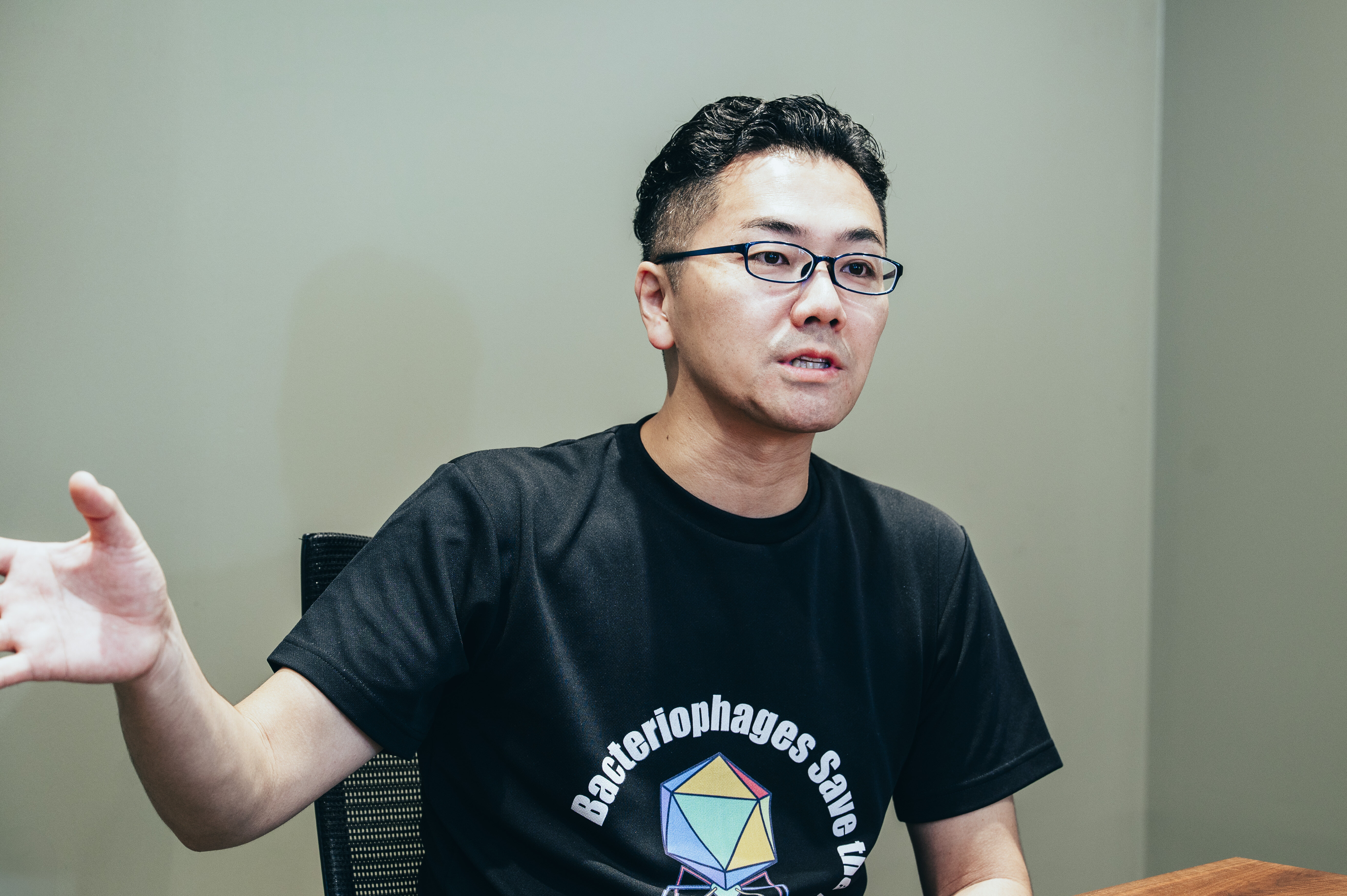
— Now that Arrowsmith has been launched and funded, what comes next?
Ando Our immediate focus is generating the non-clinical data package required to support clinical development in the United States. We are currently targeting an IND (Investigational New Drug) submission in the fall of 2026, followed by the initiation of clinical trials. Bringing a new therapy to patients takes time, but we are committed to advancing steadily, one step at a time. At the same time, we hope to leverage the knowledge, experience, and capabilities developed through this process to help accelerate the development and adoption of phage therapy in Japan as well.
From a business perspective, I would personally like to build the company toward a future IPO. M&A is certainly one possible path, but I am passionate about establishing Arrowsmith as a pioneering biotechnology company originating from Japan and remaining actively involved in shaping its future. Ultimately, the best path forward will depend on circumstances as they evolve. Together with our management team and shareholders, including JAFCO, we will continue to evaluate our options and make the decisions that best serve the company, our technology, and the patients we hope to help.
— As an entrepreneur who came from academia, what message would you give to researchers who hope to commercialize their own work?
Ando I believe it takes a great deal of courage for someone in academia to step into the world of business. In academia, success is often measured by publications, grants, and scientific achievements. In industry, however, the ultimate goal is different: to turn research into products and technologies that can benefit society. While that transition offers many new opportunities, it also comes with trade-offs. There are moments when the assumptions and values that served you well as an academic researcher no longer apply.
I have certainly had to make sacrifices along the way. But for me, phage therapy is something worth dedicating my entire scientific career to. That conviction has allowed me to move forward without looking back and to bring others along on this journey.
If there is something you truly believe in, I encourage you to take the first step. Join a company. Start a company. Talk to people who have walked the path before you—including organizations like JAFCO. At Arrowsmith, we are committed to becoming a role model for researchers who aspire to transform their scientific discoveries into real-world impact.
Comment from Taira Kobayashi, Lead Capitalist
Few innovations have had a greater impact on human health than antibiotics. One of the defining scientific breakthroughs of the 20th century, antibiotics dramatically reduced infant mortality, extended life expectancy, and helped lay the foundation for modern prosperity. In Japan, supported by a strong public-health infrastructure, bacterial infections are often viewed as a problem of the past. Yet the global rise of multidrug-resistant bacteria—driven in part by the overuse and misuse of antibiotics—has emerged as one of the most serious healthcare challenges of our time. WHO has repeatedly warned of the threat, and Japan is by no means immune to its consequences. Arrowsmith has already been selected for support under AMED's Strengthening Program for Pharmaceutical Startup Ecosystem as a developer of novel therapies for bacterial infections. As such, the company carries significant expectations not only for public health, but also for strengthening Japan's ability to respond to future infectious-disease threats. JAFCO has supported Ando-san and his team from the earliest stages of company formation, and we remain fully committed to helping them succeed. More than anything, we are determined to do everything we can to help establish new treatment options that will protect future generations of children around the world from infectious diseases.
-
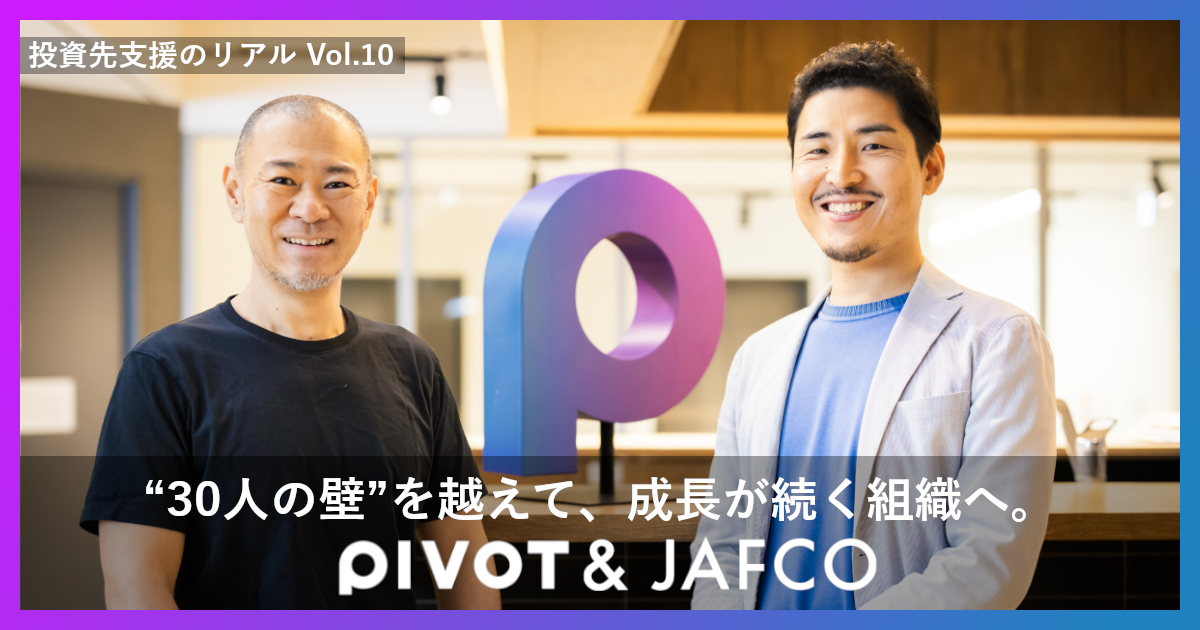
The Reality of Venture Support
Beyond the "30-Person Wall": How Business Media PIVOT Partnered with JAFCO to Strengthen Management and Reshape Their Organization, Guided by a "Sherpa-like" Presence Aiming for Greater Heights
-
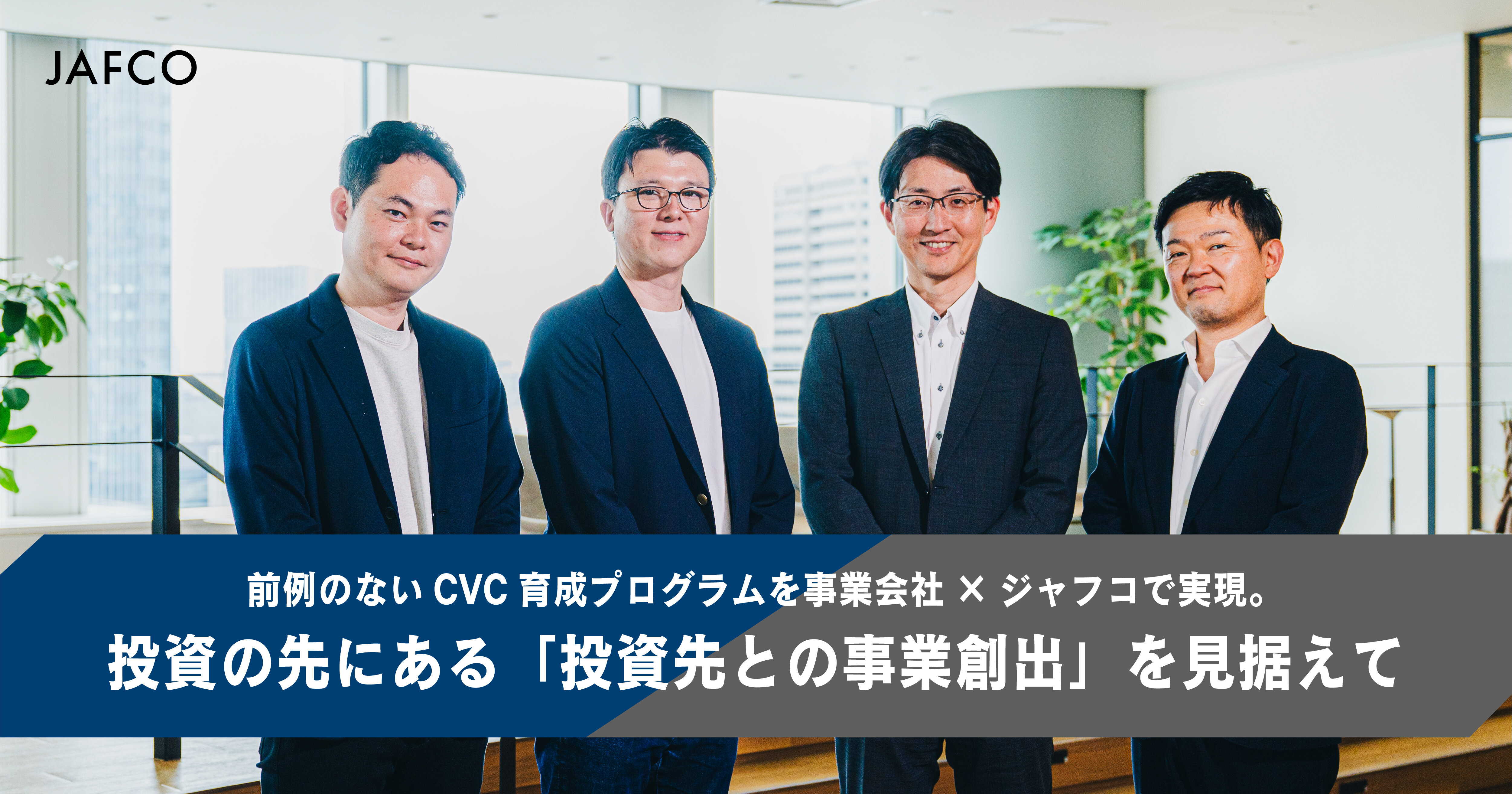
Interview
An Unprecedented CVC Development Program Realized by a Business Firm and JAFCO: Creating Business Together with Portfolio Companies
-
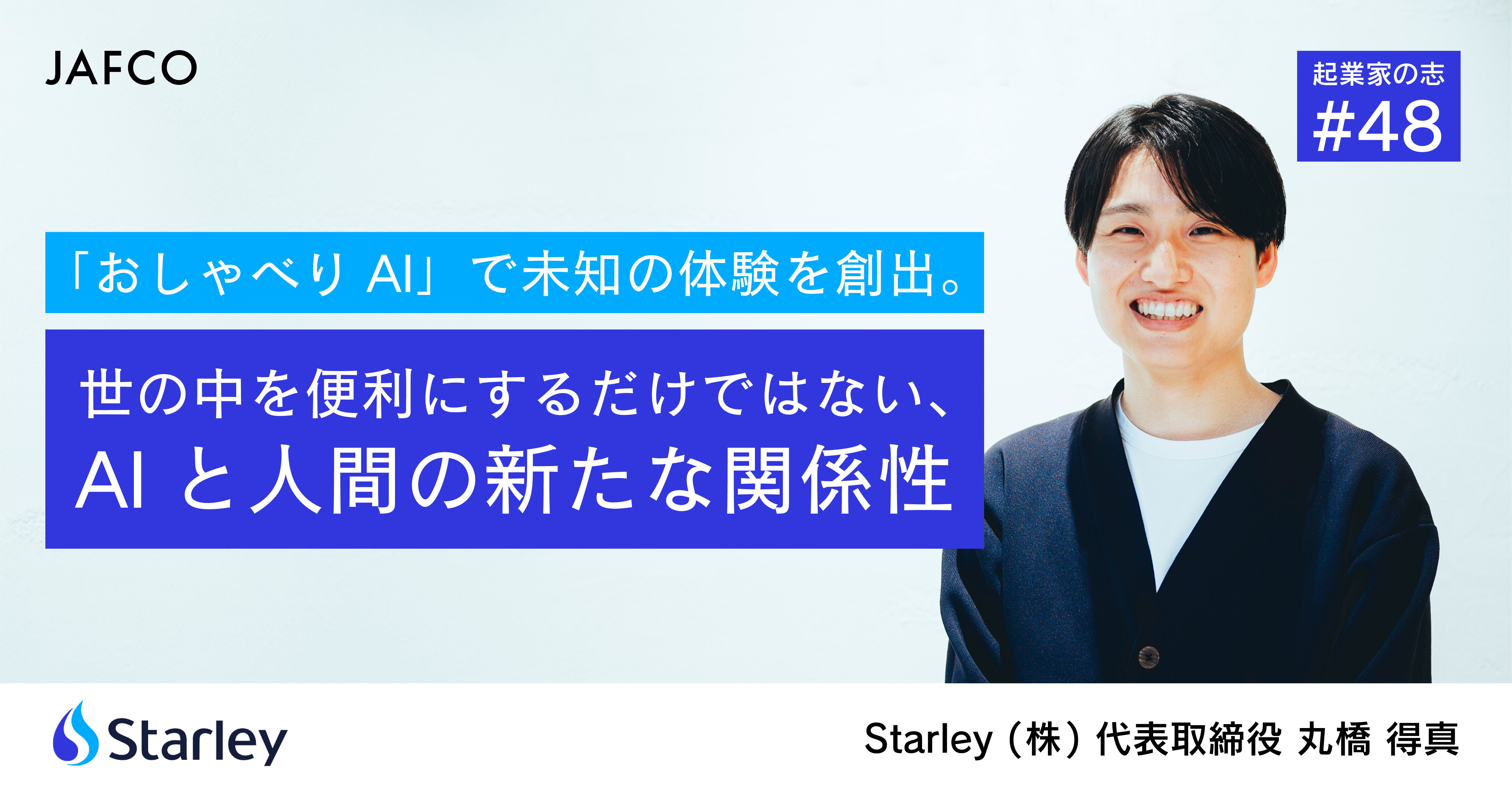
Interviews with Entrepreneurs
Creating New Experiences Through “Chatting AI”: A New Relationship Between Humans and AI That Goes Beyond Convenience
-
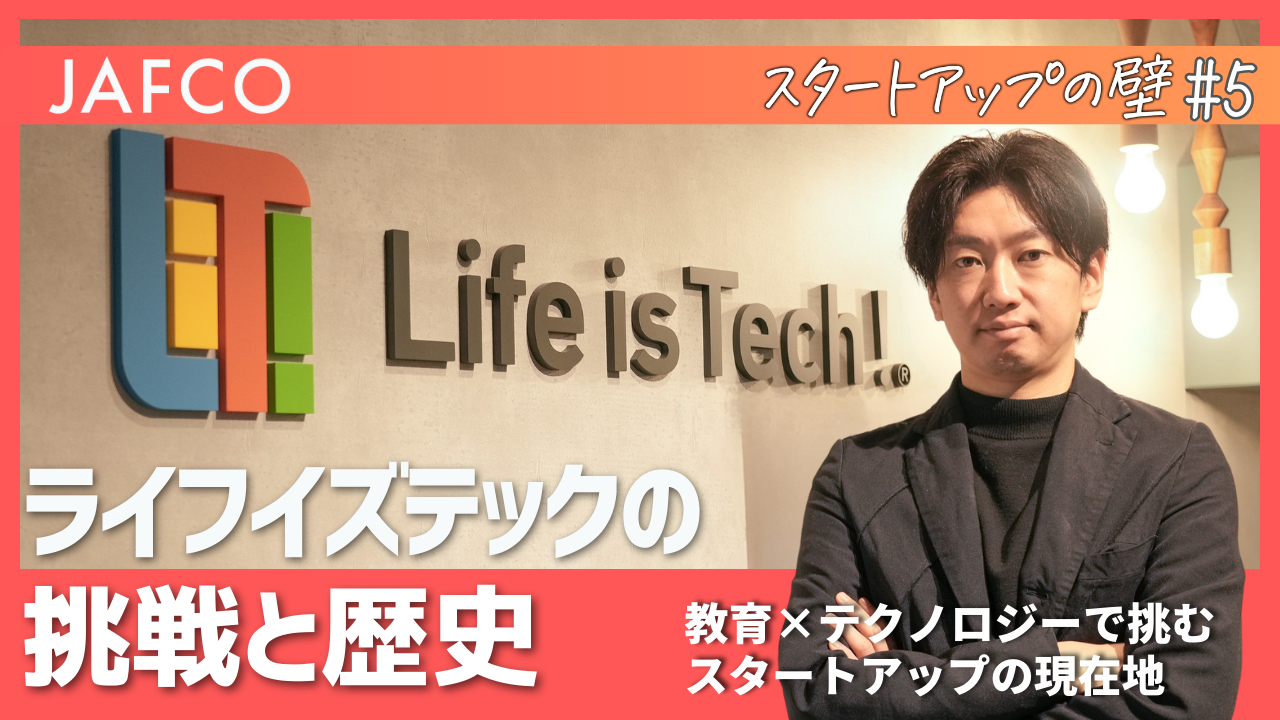
Interviews with Portfolio Companies
Life is Tech: A Startup at the Crossroads of Education and Technology
-
Open innovation
JAFCO Supporting Business Firms to Accelerate Open Innovation: A Case from Japan Mobility Show Bizweek 2024